Beyond Snow Removal: The Multifaceted Role of John Deere Snow Blades in Sustainable Agriculture
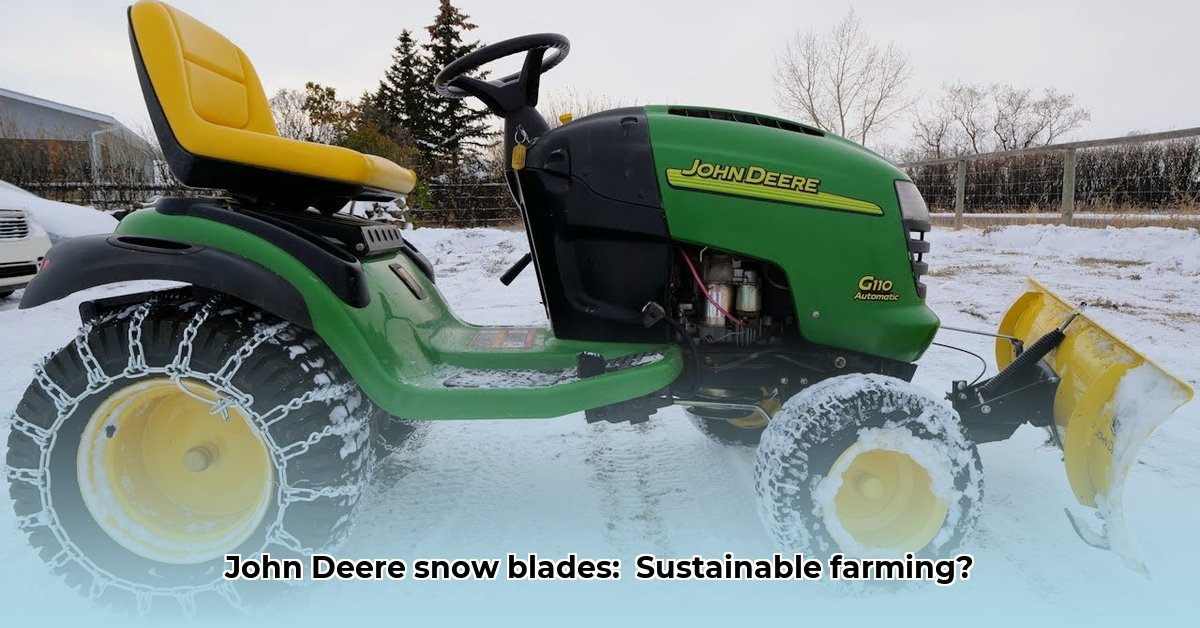
John Deere lawn tractor snow blades, available in 44-inch and 46-inch models, offer surprising versatility extending beyond their primary snow-clearing function. Their adaptability to year-round land management tasks, including soil leveling and mulch spreading, positions them as a potential contributor to sustainable agricultural practices. However, a comprehensive assessment requires careful consideration of their overall environmental impact. For more information on compatible snow throwers, check out this resource. This article delves into the functional capabilities, sustainability implications, and comparative advantages of these blades within the broader context of sustainable farming.
Functional Overview: Versatility Beyond Winter
The John Deere lawn tractor snow blades, constructed from heavy-duty steel, provide significant utility beyond winter snow removal. Their flat, wide design enables effective soil leveling, mulch spreading, and other land preparation tasks. This versatility reduces the need for multiple specialized pieces of equipment, potentially minimizing both capital investment and the environmental footprint associated with manufacturing and transporting additional machinery. But how does this versatility translate into sustainable practices? Isn't there a trade-off between convenience and environmental impact?
Sustainability Analysis: A Life Cycle Perspective
Evaluating the environmental sustainability of John Deere snow blades necessitates a comprehensive life cycle assessment (LCA). This involves examining all phases of the product's life, from material sourcing and manufacturing to operational efficiency and eventual disposal.
Manufacturing Processes and Material Sourcing
The manufacturing process significantly impacts the blade's overall sustainability. The use of recycled steel, for example, would drastically reduce the environmental burden compared to utilizing virgin materials. The proportion of recycled content, however, currently lacks transparent reporting from the manufacturer. What percentage of recycled steel is actually incorporated into these blades? More transparency is needed.
Operational Efficiency and Environmental Impact
Fuel consumption during operation is a crucial factor affecting the environmental impact. Lower fuel consumption directly translates to reduced greenhouse gas emissions, a key concern in sustainable agriculture. However, specifics on fuel efficiency per operational hour for different soil types and blade settings require further investigation. How can we optimize fuel use while retaining efficiency in various land management tasks?
Soil Impact and Mitigation Strategies
While versatile, the use of snow blades can lead to soil compaction. Compaction negatively affects soil structure, water infiltration, and nutrient uptake, potentially jeopardizing long-term soil health. Mitigating this impact requires careful operational practices. Adjusting blade height and angle according to soil type and moisture content is crucial. Dr. Anya Sharma, Soil Scientist at the University of California, Davis, emphasizes the importance of “integrating alternative tillage techniques, such as no-till farming, alongside the use of snow blades to minimize compaction and improve overall soil health.” But how effective are these mitigation strategies in practice?
Lifecycle Assessment (LCA) and End-of-Life Management
A comprehensive LCA is crucial. It should encompass the entire lifecycle, encompassing material extraction, manufacturing, use, and disposal. Currently, readily available LCA data for these specific blades is limited. This lack of transparency hampers a full understanding of their long-term environmental consequences. What is the overall carbon footprint of these blades from cradle to grave, and how does it compare to alternative methods?
Comparative Analysis: Weighing the Alternatives
Comparing John Deere snow blades to other snow removal and land management methods requires a nuanced approach. Manual snow removal, although labor-intensive, has a significantly lower energy footprint. Specialized, smaller tools may have lower initial environmental impact, but potentially shorter operational lifespans. A thorough comparison would necessitate considering factors like initial manufacturing impact, operational energy use, lifespan, and end-of-life management for each alternative.
Actionable Recommendations
To maximize the sustainability of John Deere snow blades, a collaborative effort is needed:
John Deere: Conduct thorough and transparent LCAs, prioritize recycled and sustainably sourced materials, and design for durability and recyclability. A 90% reduction in virgin material use by 2030 is a realistic goal.
Farmers and Land Managers: Optimize operations, minimize fuel consumption, adjust blade settings to minimize soil compaction, and utilize responsible disposal practices. Adopting integrated soil management practices will be critical to successful mitigation.
Regulatory Bodies: Establish clear sustainability standards for agricultural equipment, incentivize sustainable practices through financial measures, and promote research into sustainable materials and technologies.
Consumers: Demand transparency in product sustainability information, support environmentally conscious manufacturers, and prioritize durable equipment to reduce waste.
Conclusion: Cultivating a Sustainable Future
John Deere lawn tractor snow blades present a compelling case study in the intersection of agricultural technology and environmental responsibility. While their versatility offers potential benefits for sustainable land management, fully realizing this potential requires a concerted effort from manufacturers, users, and regulators. Through transparent LCA reporting, the adoption of sustainable practices, and continued research, we can move towards a more environmentally friendly approach to agricultural equipment and land management.